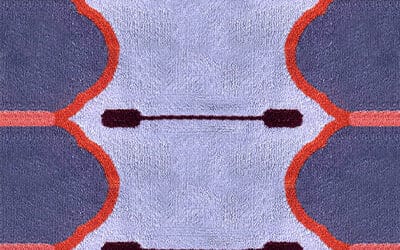
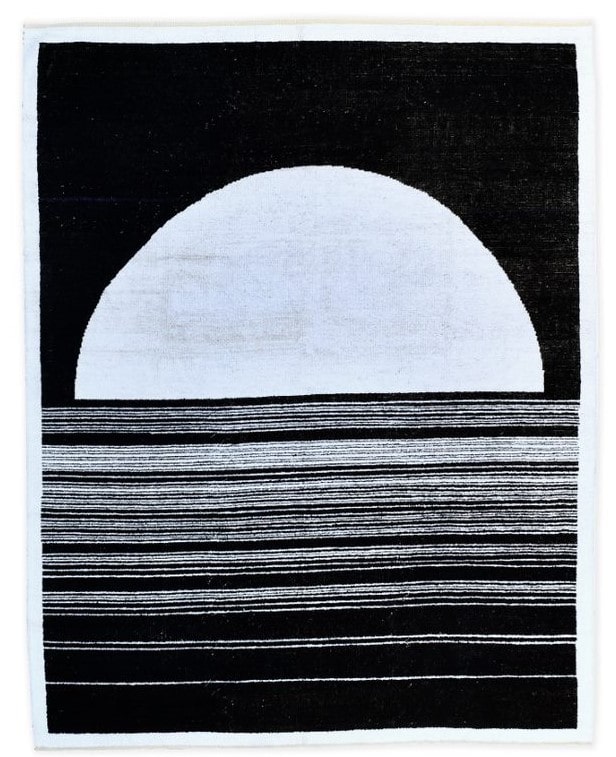

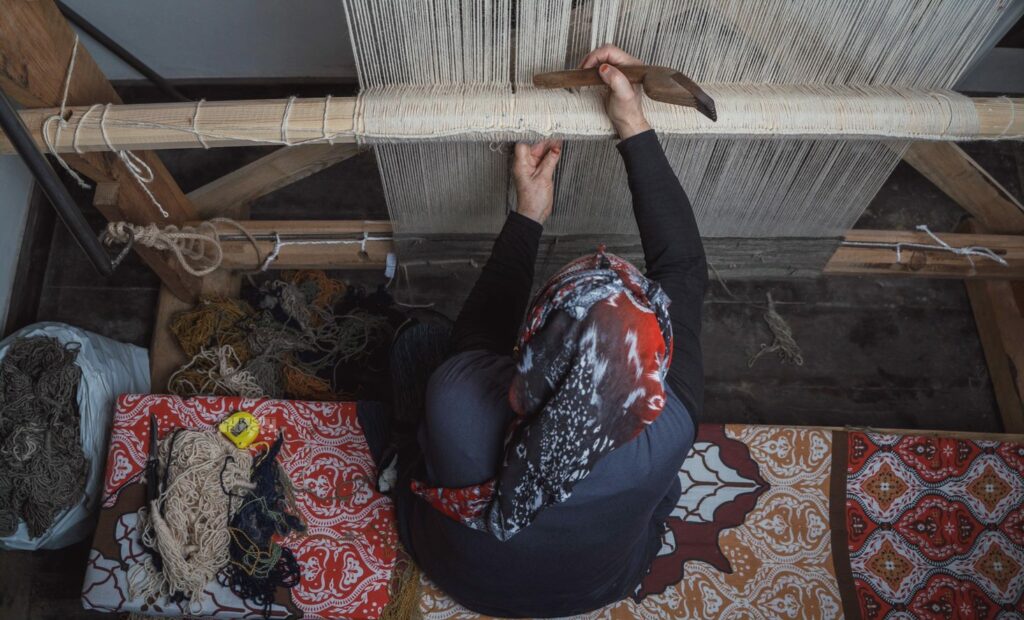
Synonymous with antique carpets still sought after today, Ushak in western Anatolia is in danger of losing its connection with weaving completely. But Istanbul-based Kirkit is attempting to turn things around. Last April, the rug company opened a new workshop in Ushak. Housed in an Ottoman mansion, it employs twenty-four weavers.
The promotion of handmade Turkish rugs is close to Kirkit owner Ahmet Diler’s heart. When we speak, the Vice President of IHIB (Istanbul Carpet Exporters’ Association) and his wife, Tovi, have just returned from a 3,000 km (1,860 mile) research trip from Hereke, Bursa, Balıkesir, Manisa, Çanakkale, Milas and Fethiye in western Turkey all the way to Antalya in preparation for a documentary capturing the know-how of weaving traditions—partly to encourage its revival.
‘People think that handmade carpet weaving is over in Turkey. It’s not. It’s very exciting and surprising what we found,’ Ahmet says. ‘But village weavers are being exploited, they get paid around 5 euros (6 dollars) a day. It’s unfair, it’s like slavery. They need better pay and social care. Youngsters are well educated, have access to the internet and don’t see any future in weaving. The knowledge is still there in women aged 40 and over. Their daughters learn how to weave but don’t want to do it professionally.’
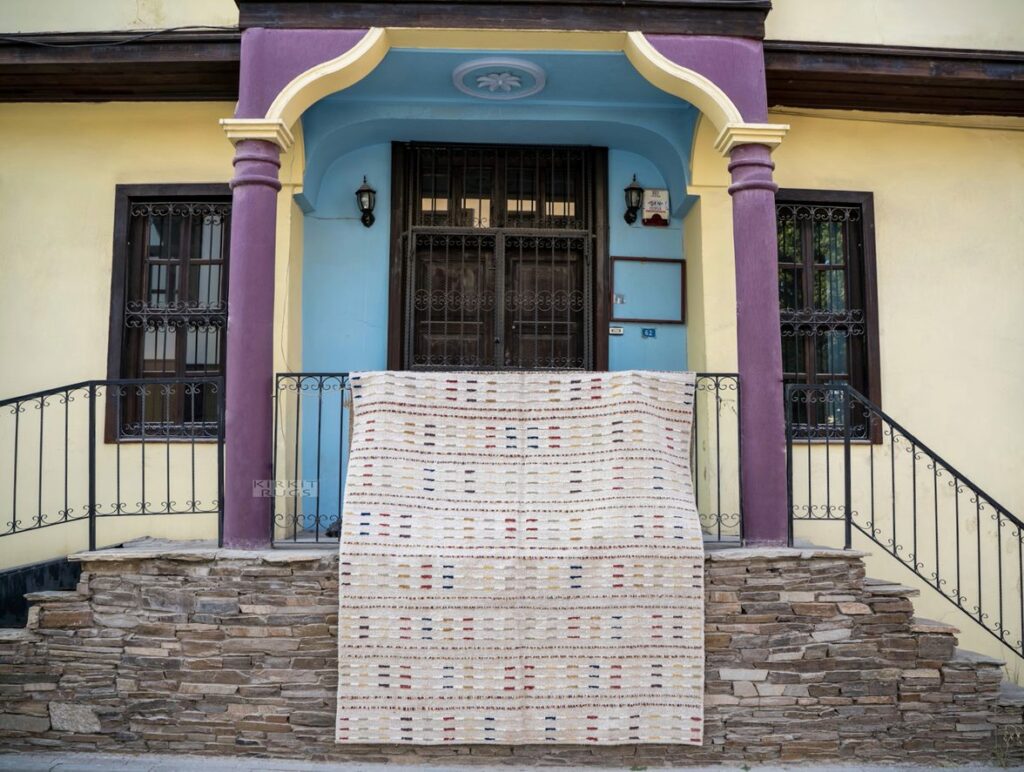
The Kirkit workshop weavers earn three times more, at minimum wage, receive a retirement fund, and access to healthcare and lunch. ‘The cost for us to make pile carpets there is 25 percent higher. It’s a big investment, we make less profit, but it doesn’t matter. We want to set an example. There is a lovely atmosphere in the workshop. It is filled with laughter all day,’ Ahmet says. Although Turkish production cannot be as cheap as Indian, specialist products— made from recycled nomadic tents and recycled traditional hemp weavings used in the villages for drying fruit and cereals—are made cost effectively.
Women wanted to work at Kirkit’s new facility, demonstrating the demand for fair working conditions. One of the benefits for Kirkit is more consistent production. In villages from May to September, agricultural work takes priority over weaving as it pays more. There are plans to open a second Kirkit workshop elsewhere, but Ahmet is campaigning for a larger shift.
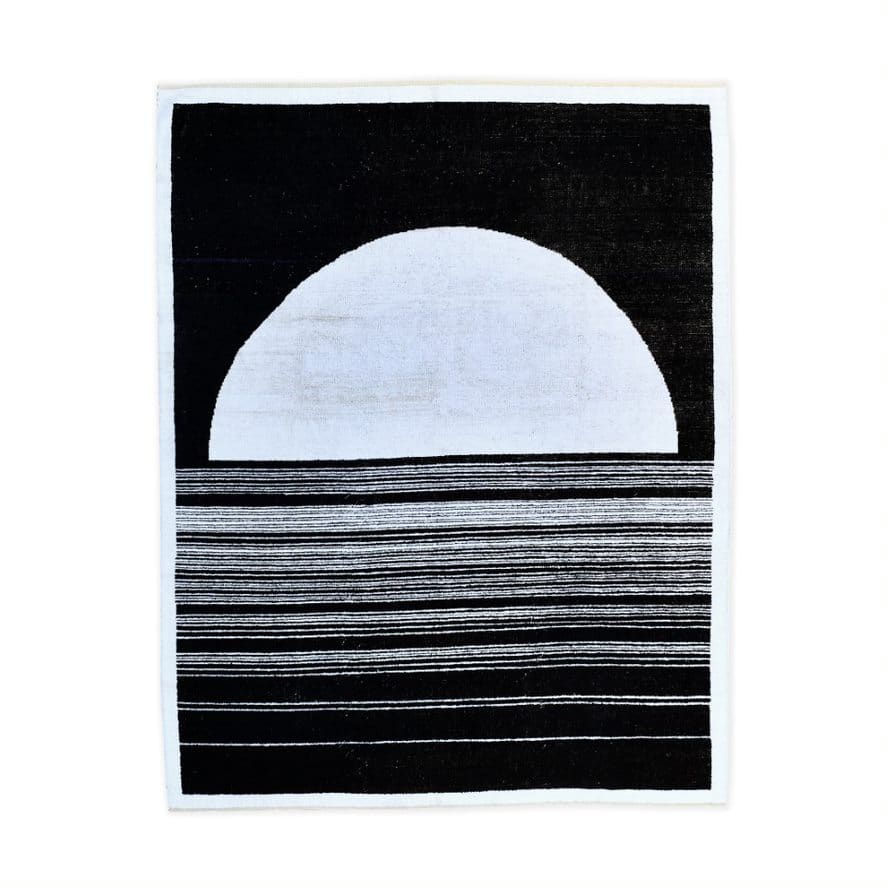
‘We are only a small producer,’ Ahmet says. ‘The change needs to come from the top. There have been some good initiatives from council municipalities, but they tend to produce outdated designs, for which there is no market.’ The governmental organisation Sümerhali used to produce carpets all over Turkey, monitoring quality and standards. But since its closure around 2006, its buildings have been privatised and 2,000 or more Isparta-made looms have been scrapped.
But, the Dilers have heard that another producer is setting up a facility following a similar model to their Ushak workshop, so this could be the start of a ripple effect. ‘It is thanks to the talent and labour of Anatolian weavers that we have arrived at where we are at now. We find it important to give back a little bit of what they have been giving us for so long,’ concludes Ahmet.